- Home/
- Buy Furosemide Online in the United Kingdom Safely and Easily
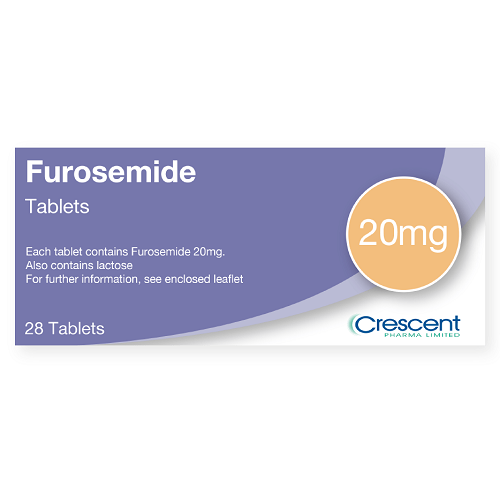
Furosemide is a powerful “water tablet” prescribed in the United Kingdom to treat swelling (oedema) caused by heart, liver, or kidney problems. It works by helping your body get rid of excess fluid through your urine. Before starting Furosemide, it’s vital to know that the benefits and risks depend as much on how the medicine is used as on what it does: the right dose, timing, and monitoring make all the difference.
Life with Oedema: When Furosemide Enters the Conversation
It’s a Thursday morning, and your shoes feel tighter than they did last week. Your ankles leave a dent when you press them. Perhaps climbing the stairs has become a little more of a struggle, or the scales seem determined to rise, even though your eating habits haven’t changed. For many people in the United Kingdom, this is how oedema – swelling from excess fluid – makes its quiet entrance.
Often, you’ll have tried elevating your legs, cutting back on salt, and perhaps even adjusting your daily routine. But if the swelling creeps up further, or shortness of breath joins in, the GP may mention a “water tablet.” That’s when furosemide enters the story. The idea is simple: help your body shed the extra water that’s pooling in the wrong places. The reality, though, is less straightforward. Why furosemide and not another medicine? Will the swelling go away for good? Does it work right away? And what about the risks you’ve heard – dizziness, dehydration, or even kidney trouble?
“For many patients, the hardest part isn’t understanding what furosemide does. It’s accepting that oedema is a symptom of something bigger – and that the medicine is managing, not ‘curing’, that underlying problem.”
In the UK, furosemide is prescribed by doctors, dispensed by pharmacists, and monitored by the NHS system. Yet every experience is individual – shaped by your reason for needing it, how your body responds, and how well you’re supported along the way. This article is for anyone at that crossroads: considering, starting, or living with furosemide as part of their treatment for oedema.
What Furosemide Does for Oedema – and What It Cannot
Furosemide’s power lies in its speed and effectiveness at reducing swelling – often within hours. It acts on your kidneys to remove salt and water, sending them out through your urine. For those whose heart, liver, or kidneys are struggling to keep fluid in check, this can mean less puffiness, easier breathing, and lighter legs by the end of the day.
- Diuretic (“water tablet”)
- A medicine that helps the body remove excess fluid by increasing urine production, commonly used to reduce swelling and lower blood pressure.
The dose and response can vary hugely from person to person. Some notice the benefit after one tablet; others take days, or need dose adjustments before seeing a real change. Occasionally, the swelling hardly budges – for reasons that only become clear with monitoring and follow-up tests.
Not all swelling responds to furosemide. If oedema is caused by something other than heart, liver, or kidney issues – for example, a blood clot or certain medications – furosemide may not work, or could even make things worse. Accurate diagnosis is essential, especially for new or rapidly worsening swelling.
For most, furosemide is a temporary solution to a long-term problem. It buys time, relieves discomfort, and can keep you out of hospital. But it cannot fix the underlying cause of oedema. Regular reviews with your healthcare team remain crucial – both to keep you safe and to reconsider your treatment as circumstances change.
The Realities of Taking Furosemide, Day to Day
Starting furosemide is not just a matter of swallowing a tablet each morning. For many patients, the practicalities shape their day: where’s the nearest toilet? How will you manage if you’re out and about for hours? Will you need to wake up at night to go to the loo?
- Furosemide works quickly, often within an hour. Plan your dose so you’ll be near a toilet.
- The “water loss” effect can be dramatic at first. Some people lose up to several litres of fluid in a day, especially in the first week.
- Monitor your weight daily if your doctor has asked. A sudden drop could mean too much fluid is being lost, or an underlying problem is worsening.
- Fluid and salt levels in the blood can shift. NHS guidelines recommend regular blood tests, especially when starting or adjusting the dose.
Set reminders. Taking furosemide before noon reduces the chance of night-time trips to the toilet. If you are prescribed more than one dose a day, discuss timing with your pharmacist or doctor.
If you find yourself feeling dizzy, extremely thirsty, or weak, let your healthcare team know. These may signal dehydration or electrolyte imbalances – both more common with furosemide than with milder diuretics. Some people need to adjust their salt intake, others need potassium monitoring (especially if taking other medicines that affect potassium, such as ACE inhibitors).
As routines settle, many patients find a rhythm, but the impact on daily life remains real. Family, work, and social plans can all be shaped by this medication. The best advice? Make furosemide fit your life – not the other way around – with practical planning and regular check-ins with your NHS team.
Furosemide Versus Other Oedema Treatments – Where Does It Actually Fit?
Choosing a treatment for oedema is rarely simple. Furosemide is often the first “strong” diuretic patients meet, but it is not the only option. Alternatives – such as bumetanide, spironolactone, or thiazide diuretics – all play distinct roles depending on the cause and severity of the swelling.
| Attribute | Furosemide | Bumetanide | Spironolactone |
|---|---|---|---|
| Main Use | Heart, liver, kidney-related oedema; sometimes high blood pressure | As above, especially if furosemide is ineffective | Oedema linked to liver disease, heart failure; also for high aldosterone |
| Mechanism | Loop diuretic (removes salt and water via kidneys) | Loop diuretic (stronger per mg; shorter acting) | Aldosterone antagonist (spares potassium) |
| Onset | 30–60 minutes | 30–60 minutes | Several days for full effect |
| Duration | 6–8 hours | 4–6 hours | Up to 24 hours |
| Common Side Effects | Dehydration, low potassium, dizziness | As furosemide; sometimes more pronounced | High potassium, breast tenderness (rare), menstrual changes |
| Prescription Status (UK) | Prescription only | Prescription only | Prescription only |
| Cost & Reimbursement | NHS prescription charge; free for eligible patients | NHS prescription charge or free | NHS prescription charge or free |
In real life, these differences play out in subtle but meaningful ways. Furosemide is often chosen because it is well-studied, widely available, and effective for a wide range of patients. Bumetanide may be used if the response to furosemide is poor, or if there are absorption issues. Spironolactone, meanwhile, is the preferred option if potassium levels are low or if there’s a problem with hormone-driven fluid retention, as in liver cirrhosis.
Decisions are not just about clinical data; they are about lived experience, ongoing monitoring, and patient priorities. For most people in the UK, furosemide is the “go-to” loop diuretic, but the best results come from individualising both the choice and the dose.
Which Side Effects Matter Most with Furosemide – And When to Act
Dizziness when standing up. A dry mouth. Needing the loo every hour. These are the everyday side effects most patients expect or tolerate on furosemide. But some effects signal the need for caution – or urgent action.
Most people feel thirsty, urinate more often, or experience mild fatigue in the first weeks. These usually settle as your body adapts.
More serious issues include signs of dehydration (extreme thirst, confusion), muscle cramps (suggesting low potassium), or hearing changes (rare, but associated with high doses or rapid IV use in hospital). Furosemide can also affect how your kidneys function, especially if you have existing kidney problems or take other medicines that interact with it.
The NHS recommends regular blood tests to monitor for low potassium and sodium, and to check kidney function – particularly when treatment is new or changing. If you notice new palpitations, severe tiredness, or any confusion, contact your doctor promptly.
| Side Effect | How Common? | When to Contact a Doctor |
|---|---|---|
| Dizziness / light-headedness | Common (especially at first) | If severe, or causes falls/fainting |
| Muscle cramps / weakness | Occasional | If persistent, severe, or with palpitations |
| Very dry mouth / extreme thirst | Common (first days/weeks) | If unable to keep fluids down, confusion develops |
| Confusion, drowsiness | Rare | Immediately – these may be signs of severe electrolyte imbalance |
| Rash, itching, swelling of lips/face | Rare | Immediately – possible allergic reaction |
| Hearing changes (ringing, loss) | Very rare (high doses/IV use) | Immediately if new or worsening |
| Reduced urination | Uncommon | If urine output drops suddenly, contact your doctor |
Not every patient will experience these issues, but knowing what to look for – and when to seek help – can be the difference between a smooth journey and a crisis. Most side effects are mild and settle quickly, but the ones that matter most are those that signal dehydration, low potassium, or kidney trouble. Stay alert, stay in touch with your GP, and keep your blood test appointments.
When NOT to Take Furosemide: The Non-Negotiables and the Grey Areas
Never start furosemide if:
- You have a known allergy to furosemide or similar medicines
- You are severely dehydrated already
- Your blood potassium or sodium is dangerously low (without correction)
- You cannot pass urine at all (anuria)
- There is evidence of liver coma or severe hepatic encephalopathy
These are absolute “stop” signals: prescribing furosemide in these circumstances can be dangerous, and is never routine in UK clinical practice.
Sometimes, with caution or specialist input:
- Severe kidney impairment (may need dose adjustment or hospital monitoring)
- Pregnancy or breastfeeding (not first-line, but sometimes used if benefits outweigh risks – NHS and MHRA guidance applies)
- Gout or risk of gout attacks (furosemide can trigger flare-ups)
- Other medicines that affect potassium or kidney function (ACE inhibitors, NSAIDs, lithium, digoxin – interactions need review)
If you’re unsure, ask. Your pharmacist and prescriber will check your records, recent blood tests, and other medicines before starting or renewing furosemide. For many, the “grey areas” are managed with careful monitoring rather than blanket avoidance. But in practice, these conversations are essential: it’s far better to flag a risk early than to deal with a crisis later.
Getting Furosemide in the UK: NHS Guidance, Cost, and Access
In the United Kingdom, furosemide is available by prescription only. Your GP or hospital specialist will prescribe it if they believe it’s needed for your oedema. There are no over-the-counter or pharmacy “walk-in” options for this medicine.
- Your prescriber writes an NHS prescription for furosemide, specifying the dose and frequency.
- You collect your medicine at a community pharmacy – typically within hours or by the next day.
- Most patients pay the standard NHS prescription charge, but exemptions apply (age, pregnancy, long-term conditions, income benefits).
Nearly all brands and generic versions of furosemide are covered by the NHS. Private prescriptions are rare and usually only needed for non-standard formulations or supply shortages.
Repeat prescriptions are common for chronic conditions, but regular reviews are built into the NHS system – usually every 3–12 months depending on your condition and risk factors. Routine blood tests (monitoring electrolytes and kidney function) are scheduled by your GP, not by the pharmacy.
Online pharmacies in the UK are regulated by the MHRA. If you use an online service, ensure it is registered and follow NHS guidelines for safe medicine use. Never attempt to import furosemide from abroad or buy it from unregulated sources; this is both unsafe and illegal.
FAQ: Furosemide and Oedema in the UK
- How quickly will furosemide reduce my swelling?
- Many people notice increased urination within an hour, and swelling may improve within a day or two. The full effect sometimes takes longer, especially if your starting dose is low or your condition is complex. If you see no change after several days, speak to your doctor – dose adjustments or alternative treatments may be needed.
- Do I need regular blood tests on furosemide?
- Yes. NHS guidance recommends blood tests to monitor your kidney function and electrolyte levels, especially when starting, changing dose, or when you are on other medicines that affect salt balance. Your GP will organise these – don’t miss them, even if you feel well.
- Can furosemide be taken with my other medicines?
- Furosemide interacts with several common medicines – including blood pressure tablets, NSAIDs, lithium, and some antibiotics. Always bring a full list of your medicines to your pharmacist or GP, and check before starting anything new (even over-the-counter remedies).
- What if I forget a dose or take too much?
- If you miss a dose, take it when you remember, unless it’s nearly time for the next one. Never double up. If you take too much, you may become dehydrated or dizzy – contact your GP or NHS 111 for advice, especially if you feel unwell.
- Is it safe to use furosemide long-term?
- For many patients with chronic conditions, furosemide is used for months or years. Long-term use is safe with proper monitoring, but can increase the risk of low potassium, kidney changes, and gout. Your doctor will balance the benefits and risks at each review.
- What should I do if the swelling gets worse or returns?
- An increase in swelling, sudden weight gain, or new symptoms (like breathlessness) may mean your underlying condition has changed – not just that the medicine “isn’t working”. Contact your GP for review rather than adjusting your dose without advice.
- Are there differences between furosemide brands or generic versions?
- All NHS-dispensed furosemide tablets are regulated for quality and effectiveness. You may notice differences in tablet size or colour between brands, but this should not affect how the medicine works. If you have concerns about changes in your medicine’s appearance, discuss them with your pharmacist.
Sources and References
- Furosemide – NHS Medicines A–Z
- Medicines and Healthcare products Regulatory Agency (MHRA)
- British National Formulary. NICE/BMJ Group. Latest Edition.
- NICE Clinical Knowledge Summaries – Peripheral Oedema
- European Medicines Agency (EMA)
- Loop Diuretics for Heart Failure, NICE Guideline NG106, 2018
- Furosemide 40mg Tablets – Summary of Product Characteristics
- PubMed – National Library of Medicine