- Home/
- Buy Prednisolone at Low Price in the United Kingdom Online
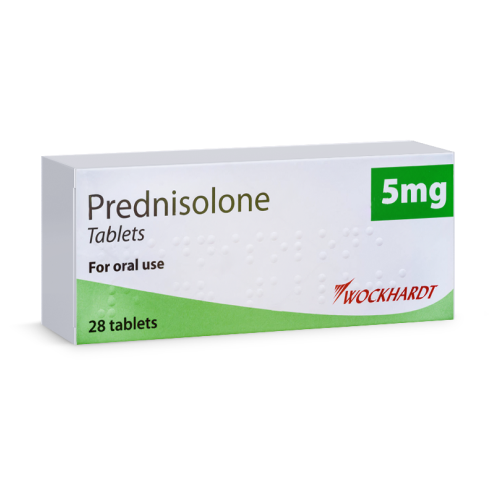
Prednisolone in the United Kingdom: Complete Guide, Safe Use, and Expert Advice for 2026
Quick Answers: What You Need to Know
| Parameter | Details (UK, 2026) |
|---|---|
| Active Ingredient | Prednisolone |
| Drug Class | Glucocorticoid corticosteroid |
| Main Uses | Inflammation, autoimmune disorders, allergies, adrenal insufficiency |
| Prescription Required? | Yes – mandatory in the UK |
| Regulatory Authority | Medicines and Healthcare products Regulatory Agency (MHRA) |
| Common Dosages | 5–60 mg daily (individualised) |
| Onset of Action | Within hours (oral); peak effect: 2–4 hours |
| Main Absolute Contraindication | Untreated systemic infection |
| Main Side Effect (Very Common) | Increased risk of infection |
| Price Range (2026) | £3–£12 per pack (generic); £15–£25 (branded) |
Can You Get Prednisolone Without a Prescription in the UK?
No, it is illegal to obtain Prednisolone without a prescription in the United Kingdom. Prednisolone is a prescription-only medicine (POM) according to MHRA regulations. Any pharmacy – whether local or online – must require a valid prescription from a UK-registered doctor. Self-medication or buying from unregulated sources is not only unlawful but also exposes you to the risk of counterfeit products and severe health consequences. See NHS: Prednisolone for further details.
How Does Prednisolone Work in the Body?
Prednisolone is a synthetic glucocorticoid—a class of steroid hormones that mimic the action of cortisol, which is naturally produced by the adrenal cortex. Its anti-inflammatory and immunosuppressive effects result from binding to intracellular glucocorticoid receptors. This complex then translocates to the cell nucleus, where it modifies the transcription of various genes involved in the inflammatory response.
- Prednisolone decreases the production of pro-inflammatory cytokines (like IL-1, IL-6, TNF-alpha).
- It inhibits phospholipase A2, reducing prostaglandin and leukotriene synthesis—key mediators of inflammation.
- It suppresses the activation and migration of immune cells (T-cells, B-cells, neutrophils, macrophages).
The net result? Reduced tissue swelling, redness, pain, and allergic reactions. Unlike NSAIDs, which act on cyclooxygenase enzymes, Prednisolone works at a genomic level, producing broader, more powerful suppression of immune activity. EMA: Prednisolone
Simple Metaphor: Think of Prednisolone as a “master switch” for the inflammation process—it flips down the volume, turning off multiple inflammatory signals at once, rather than blocking just one pathway.
Expert Commentary from doctor
In my clinical experience, patients often underestimate just how powerful Prednisolone is. One common issue is using it for minor ailments or continuing at high doses beyond the recommended period—this raises the risk of serious side effects like adrenal suppression or osteoporosis. Another challenge I’ve seen is abrupt discontinuation, which can precipitate adrenal crisis, especially after long courses. I always stress the importance of gradual tapering and close monitoring, especially in children and the elderly. Finally, people frequently neglect regular screening (blood pressure, blood sugar, bone density), which is crucial for anyone on prolonged corticosteroid therapy. My advice: Treat Prednisolone with respect, follow your doctor’s instructions, and don’t hesitate to ask questions about the duration and monitoring plan.
How to Take Prednisolone: Dosage and Administration in the UK
| Indication | Typical Starting Dose | Max Dose | Administration Advice |
|---|---|---|---|
| Acute Inflammation | 20–40 mg daily (once or divided) | Usually not >60 mg/day | Take in the morning with food |
| Chronic Autoimmune Disease | 5–15 mg daily | Up to 30 mg if needed | Once daily, lowest effective dose |
| Acute Allergic Reaction | 10–30 mg daily | Short course only | Take for 3–5 days as directed |
- Always follow your prescriber’s directions—doses can be very different depending on your condition.
- Tablets may be scored (may be split) for dose adjustment, but some modified-release forms must not be split—check your specific product information.
- Never stop Prednisolone abruptly after more than 2–3 weeks of use without your doctor’s guidance.
- Peak effect occurs 2–4 hours after oral dosing. Duration of action: usually 18–36 hours.
- Dose adjustments are needed for elderly, children, those with liver disorders, or kidney impairment—always discuss this with your doctor.
Maximum daily dose: Usually 60 mg (occasionally higher in life-threatening conditions, always under specialist care).
Prednisolone and Lifestyle: Food, Alcohol, and Drug Interactions
- Food
- Prednisolone should be taken with food to reduce stomach irritation. High-fat meals do not significantly delay absorption, but may help with tolerability. Grapefruit juice does not appear to have a significant impact, unlike with some other steroids, but best to avoid excessive grapefruit intake as a precaution.
- Alcohol
- Alcohol should be kept to a minimum – no more than 1–2 units occasionally, if approved by your doctor. Combining excessive alcohol with Prednisolone increases the risk of stomach ulcers and liver stress.
- Caffeine
- No direct interaction, but both can worsen anxiety and sleep disturbance. Use caffeine in moderation.
- Other Drugs
- Prednisolone interacts with many medicines including NSAIDs (risk of GI ulcers), anticoagulants (may require dose adjustment), certain vaccines (live vaccines are contraindicated), and diabetes medications (may require higher doses of insulin/tablets).
Myth vs Reality: Myth: “Prednisolone works better on an empty stomach.” Reality: Taking it with food reduces side effects and doesn’t reduce its effectiveness.
Who Should Not Take Prednisolone? Contraindications Explained
| Type | Condition | Explanation |
|---|---|---|
| Absolute | Untreated systemic infection | Prednisolone suppresses the immune system, making infections worse or harder to control. |
| Absolute | Live vaccine within past 4 weeks | Risk of severe infection due to immunosuppression. |
| Relative | Diabetes mellitus | Prednisolone increases blood sugar; extra monitoring and adjustments are needed. |
| Relative | Osteoporosis or high fracture risk | Long-term use can worsen bone loss; calcium/vitamin D and bone protection may be needed. |
| Relative | History of peptic ulcer | Higher risk of stomach ulcers and bleeding, especially with NSAIDs. |
| Relative | Uncontrolled hypertension or heart failure | Prednisolone causes fluid retention and can raise blood pressure. |
| Relative | Glaucoma | Steroids increase intraocular pressure; regular eye checks needed. |
Important: After a heart attack or major surgery, Prednisolone may only be used under specialist supervision. In patients with active psychiatric illness, it may worsen symptoms. Always inform your doctor of all your medical conditions before starting Prednisolone.
What Side Effects Are Most Common with Prednisolone?
| Frequency | Side Effect | Explanation/Mechanism |
|---|---|---|
| Very Common (>1 in 10) | Increased infection risk, weight gain, mood changes, insomnia | Immunosuppression and metabolic effects |
| Common (1 in 100 – 1 in 10) | High blood pressure, fluid retention, skin thinning, slow wound healing | Salt/water retention; impaired collagen production |
| Uncommon | Glaucoma, cataracts, fractures | Raised eye pressure; bone metabolism alteration |
| Rare | Adrenal suppression, Cushing’s syndrome | Body’s own steroid production shuts down |
| Very Rare | Psychosis, severe allergic reaction | Idiosyncratic reaction or extreme dose sensitivity |
- If you develop fever, severe sore throat, confusion, vision changes, or severe abdominal pain, seek medical help immediately.
- For less severe side effects (mood swings, insomnia, mild swelling), consult your GP, especially if they persist or worsen.
- Never stop Prednisolone abruptly; always taper as advised by your prescriber to avoid adrenal crisis.
Common Patient Mistakes Observed by doctor
- Stopping Prednisolone suddenly: Many patients think it’s safe to stop as soon as they feel better. This can rapidly lead to adrenal crisis, with fatigue, low blood pressure, and even collapse. Always taper under medical supervision.
- Doubling up after a missed dose: If you forget a dose, some people incorrectly take twice as much next time. This increases side effects without restoring steady hormone levels. Instead, take the missed dose as soon as you remember (unless it’s almost time for the next dose).
- Ignoring infection symptoms: Because Prednisolone hides classic signs of infection, patients may delay seeking care for pneumonia or sepsis. Any unexplained fever, pain, or malaise should be checked promptly.
- Not monitoring blood sugar or blood pressure: Especially those with diabetes or hypertension. Prednisolone often worsens control, so more frequent checks are a must.
- Taking with NSAIDs (e.g., ibuprofen) without advice: This increases risk of stomach ulcers and bleeding substantially. Always check with your GP before combining medicines.
- Not carrying a steroid warning card: In the UK, patients on long-term steroids should carry this card to alert emergency staff.
Prednisolone vs Alternatives: How Does It Compare?
| Drug | Onset Speed | Duration of Action | Key Side Effects | Typical Price (2026, UK) | Notes |
|---|---|---|---|---|---|
| Prednisolone (generic) | Hours (oral) | 18–36 hrs | Infection, weight gain, mood | £3–£12 per pack (28 tabs) | Mainstay for acute/chronic inflammation |
| Methylprednisolone | Hours | 24–36 hrs | Similar to Prednisolone | £10–£18 per pack | More potent; IV/IM options |
| Dexamethasone | Within 1–2 hrs | 36–54 hrs | Higher psychosis risk | £7–£15 per pack | Much longer-acting, smaller dose needed |
| Hydrocortisone | 1–2 hrs | 8–12 hrs | Lower potency, more frequent doses | £10–£18 per pack | Preferred for adrenal replacement |
Bottom line: Prednisolone is the first-line oral steroid for most inflammatory conditions in the UK due to its efficacy and cost. Dexamethasone or methylprednisolone may be chosen for specific indications (e.g., severe brain swelling, certain chemotherapy regimens), but may have a higher risk of mental health effects or require specialist supervision. Hydrocortisone is less potent and mainly used in adrenal insufficiency. Cost differences are minor for generics, but some people prefer brands for consistency.
Compatibility Table: Prednisolone with Common Medicines & Foods
| Product | Can Be Combined? | Consequences / Advice |
|---|---|---|
| Paracetamol | Yes | No significant interaction |
| Ibuprofen or other NSAIDs | With caution | Increased risk of stomach ulcers; doctor supervision needed |
| Warfarin or other anticoagulants | With caution | May require dose adjustment; monitor INR closely |
| Live vaccines (e.g., yellow fever) | STRICTLY NO | High risk of infection |
| Alcohol | Minimise | Increased GI and liver side effects; 1–2 units occasionally is generally safe if approved by your doctor |
| Grapefruit juice | Generally safe | No major interaction, but advice may vary |
| Milk, food | Yes | Reduces stomach irritation |
How to Obtain Prednisolone Legally in the UK – Step-by-Step
- Consultation: See your GP, NHS specialist, or use a registered UK telemedicine service for an assessment. NHS appointments are free; private clinics may charge £30–£120 per consultation.
- Assessment: The doctor will diagnose your condition, check for contraindications, and determine if Prednisolone is appropriate. You may need blood tests or other investigations.
- Prescription: If indicated, you’ll receive a prescription. For online pharmacies, a digital prescription can be sent directly to the licensed provider.
- Pharmacy Dispensing: Take your prescription to a local pharmacy (e.g., Boots, Lloyds, Superdrug) or an approved online UK pharmacy displaying the MHRA ‘distance selling’ logo (verify here).
- Collection or Delivery: In-person pickup requires ID. Online orders can be delivered to your home (usually within 1–3 days for UK addresses).
- Monitoring: Attend recommended follow-ups (in-person or via telehealth) for monitoring and dose adjustments.
Warning: Never buy from websites that do not ask for a prescription – you risk receiving counterfeit, contaminated, or unsafe products, and may face legal penalties.
How to Spot Counterfeit Prednisolone in the UK
- Packaging: Genuine products have clear, high-quality printing, batch number, expiry date, and MHRA licence details. Most packs in 2026 feature a QR code and hologram for verification.
- Tablet Appearance: Authentic Prednisolone tablets are typically white or off-white, round or oval, with a break line and possibly the dosage strength engraved (e.g., ‘5’, ’10’).
- Blister Packs: Should be sealed, undamaged, and labelled in English, with the manufacturer’s name and UK licence code.
- Price Red Flag: If the price is much lower than the typical range (£3–£12 for generics), be suspicious.
- Check the MHRA Register: Use the online tool to verify the legitimacy of the pharmacy or retailer.
Generics vs Counterfeits: Generics must meet the same MHRA standards as branded products; counterfeits do not. Generics are safe if dispensed by a registered pharmacy in the UK.
Original vs Generic Prednisolone: Is There a Difference?
- Active Ingredient: Identical in both – efficacy and safety are the same when MHRA-approved.
- Excipients: Fillers, binders, or colourants may differ. Rarely, allergic reactions can occur to these in some patients (e.g., lactose intolerance).
- Price: Generics are less expensive (£3–£12 per pack vs £15–£25 for branded). NHS prescriptions are charged at the standard flat rate unless exempt.
- Packaging: May look different but should comply with UK legal requirements (see above).
- Consistency: Some people report subjective differences in symptom control, but clinical trials show generics are equivalent (NHS: Generics).
If you suspect an allergy to a specific generic excipient, ask your prescriber for an alternative formulation.
How Prednisolone Is Metabolised and Eliminated
- Absorption: Rapidly absorbed in the gut; oral bioavailability >80%.
- Distribution: Widely distributed in body tissues; crosses placenta and appears in breast milk.
- Metabolism: Primarily metabolised in the liver via CYP3A4 pathway.
- Elimination: Metabolites excreted mainly via the kidneys in urine.
- Half-life (T1/2): 2–4 hours (biological effect persists up to 24–36 hours).
Implications: Liver impairment may require dose reduction. Patients with kidney failure rarely need dose changes, but monitoring is advised. Prednisolone does not accumulate if used at standard doses and durations.
Special Considerations: Elderly, Children, Pregnancy, and Driving
- Elderly: Greater risk of osteoporosis, diabetes, and confusion. Start at lower doses and monitor closely.
- Children: Risk of growth suppression – use the minimum effective dose for the shortest duration. Specialist paediatric advice is essential.
- Pregnancy: Generally safe for short courses if benefits outweigh risks. Prolonged use may cause low birth weight or adrenal suppression in the baby. Discuss with an obstetrician or maternal medicine specialist.
- Breastfeeding: Prednisolone passes into breast milk in small amounts. Short-term use at doses ≤40 mg/day is usually acceptable, but always consult your doctor.
- Driving and Machinery: Prednisolone does not usually impair driving, but severe side effects (e.g., mood changes, visual disturbances) require caution.
- Fertility: No evidence Prednisolone directly impairs fertility, but underlying diseases or chronic high doses may impact reproductive health.
What To Do in Case of Prednisolone Overdose?
- Stop taking Prednisolone immediately – do not take further doses.
- Contact your GP, call NHS 111, or attend your nearest A&E (Accident & Emergency) department.
- Provide details: how much was taken, when, and any symptoms (e.g., severe mood changes, confusion, severe swelling, high blood pressure, or vomiting).
- Bring the medication packaging with you to show healthcare staff.
- For severe symptoms (collapse, seizures, difficulty breathing), call 999 immediately for emergency assistance.
There is no specific antidote for Prednisolone overdose; treatment is supportive and may involve hospital admission.
Questions Frequently Asked to doctor
- Is it safe to take Prednisolone long-term for arthritis?
- Long-term use is sometimes necessary, but the lowest possible dose should be used. Regular monitoring for diabetes, bone health, and infections is essential. Discuss bone protection (e.g., calcium or bisphosphonates) with your GP.
- What should I do if I miss a dose?
- If you remember within a few hours, take the missed dose. If it’s nearly time for your next dose, skip the missed dose and resume your regular schedule. Never double up doses.
- Can I drink alcohol while taking Prednisolone?
- Small amounts (1–2 units, infrequently) are unlikely to cause problems, but larger amounts increase the risk of stomach ulcers and high blood pressure. Always check with your doctor, especially if you have liver or stomach issues.
- Will Prednisolone interact with my blood pressure or diabetes medication?
- Yes, Prednisolone can raise blood pressure and blood sugar levels. You may need closer monitoring and possible adjustments to your medicines. Let your GP or nurse know about all medications you take.
- Can children take Prednisolone?
- Yes, but only under paediatric specialist supervision. Doses are carefully calculated, and growth is closely monitored.
- Is it safe during pregnancy or breastfeeding?
- Short courses are generally safe if medically necessary, but your obstetrician should be involved in the decision. Breastfeeding is usually allowed for low-dose, short-term therapy.
- What if Prednisolone does not improve my symptoms?
- Contact your doctor for reassessment. There may be another underlying cause, or a different therapy may be needed. Never increase the dose on your own.
Professional Opinion of doctor
From my perspective as a prescribing physician, Prednisolone is a mainstay for managing a wide range of inflammatory and autoimmune disorders. Patients who benefit most are those with conditions where rapid control of inflammation is critical—such as severe asthma, rheumatoid arthritis flares, or acute allergic reactions. The key is always to use the shortest possible course and lowest effective dose to minimise risks.
However, Prednisolone is not suitable for everyone. Individuals with poorly controlled diabetes, active infections, or a history of significant psychiatric illness often require alternative approaches or strict monitoring. For chronic conditions, I frequently discuss steroid-sparing agents or non-drug therapies with my patients. Safety, informed consent, and monitoring are paramount. If you’re ever unsure about a symptom or side effect, it’s always better to check with your healthcare provider than to guess.
FAQ – People Also Ask About Prednisolone in the UK
- Can Prednisolone be bought over the counter in the UK?
- No, it requires a prescription from a UK-registered doctor and cannot be bought over the counter.
- How quickly does Prednisolone start working?
- It usually begins to reduce inflammation within a few hours; peak effect is reached in 2–4 hours after oral dosing.
- Is Prednisolone safe for long-term use?
- It can be safe under medical supervision, but regular monitoring is needed to manage risks like osteoporosis, diabetes, and infection.
- What should I avoid while taking Prednisolone?
- Avoid live vaccines, excessive alcohol, and NSAIDs unless advised by your doctor.
- How much does Prednisolone cost in the UK?
- Generic Prednisolone costs about £3–£12 per pack (28 tablets); branded forms are £15–£25. NHS charges standard prescription fees unless exempt.
- Are generic and branded Prednisolone the same?
- Yes, both contain the same active ingredient and are equally effective if dispensed from a UK-registered pharmacy.
- What happens if I stop Prednisolone suddenly?
- You risk adrenal crisis, which can be life-threatening. Always taper gradually under medical supervision.
References
- MHRA – Medicines and Healthcare products Regulatory Agency. https://www.gov.uk/government/organisations/medicines-and-healthcare-products-regulatory-agency
- NHS – Prednisolone. https://www.nhs.uk/medicines/prednisolone/
- European Medicines Agency – Prednisolone Product Information. https://www.ema.europa.eu/en/documents/product-information/prednisolone-epar-product-information_en.pdf
- British National Formulary (BNF), Prednisolone. https://bnf.nice.org.uk/drugs/prednisolone/
- Mayo Clinic – Prednisolone (Oral Route). https://www.mayoclinic.org/drugs-supplements/prednisolone-oral-route/description/drg-20075279
- National Institute for Health and Care Excellence (NICE) clinical guidelines – Corticosteroids. https://www.nice.org.uk/guidance
- NHS – Are branded and generic medicines the same? https://www.nhs.uk/common-health-questions/medicines/are-branded-and-generic-medicines-the-same/
Where Can I Find a Specialist in Inflammation Treatment in the UK?
For consultation with a qualified specialist in the United Kingdom regarding inflammation, you can request a referral via your GP to a consultant rheumatologist, immunologist, or general medicine specialist at NHS hospitals such as Guy’s and St Thomas’ (London), Manchester Royal Infirmary, or Queen Elizabeth Hospital (Birmingham).
Alternatively, search the General Medical Council (GMC) register or NHS specialist finder for consultants near you.
Living with Inflammation or Autoimmune Disease? You’re Not Alone
Managing a chronic inflammatory condition can be challenging and sometimes isolating. Remember, these issues are common and treatable. Discussing your concerns with your doctor, pharmacist, or a clinical psychologist can help you find the right support and improve your quality of life.